
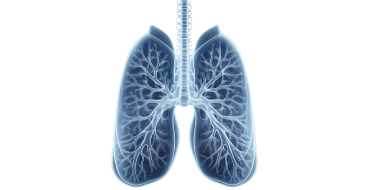
Centre for Thoracoscopy
Key-hole approaches to conditions of the chest and lungs, delivered by a multidisciplinary surgical and critical care team.
Minimally Invasive Surgery for the Chest & Lungs
The Centre for Thoracoscopy offers minimally invasive, key-hole treatment for selected conditions of the chest, lungs and pleural space. A small camera and fine instruments are introduced through small incisions between the ribs, avoiding the larger incision and rib-spreading required in traditional open surgery.
Where clinically appropriate, this approach may offer less pain, reduced scarring and faster recovery. General Surgery, Pulmonology and Critical Care teams work together to coordinate evaluation, treatment and post-operative care, while the surgeon determines the most suitable technique for each patient.
Conditions We Evaluate
A Coordinated, Multidisciplinary Team
General surgery, pulmonology, anaesthesia and critical care work together on every thoracoscopic case, rather than as separate referrals.
Explore General Surgery →Related Specialities
Need Urgent Care?
Our Casualty & Emergency department is open 24x7, with mobile ICU ambulance backup.
Call: 0824 244 3088Video-Assisted Thoracoscopic Surgery (VATS)
See how minimally invasive thoracoscopy supports selected chest and lung procedures.
Our Approach
The Centre for Thoracoscopy is a newer, focused programme rather than a decades-old department — built on capability Mangala Hospital already has in place.
Thoracoscopic and other minimal-access surgical technique has developed at Mangala Hospital alongside its broader, longer-standing investment in laparoscopic and endoscopic surgery across other departments.
Rather than operating as a stand-alone unit, the Centre draws on general surgery, pulmonology, anaesthesia and critical care expertise that already works together at Mangala Hospital.
Thoracoscopic evaluation and treatment is available for appropriate chest and lung conditions, backed by full OT, ICU and post-operative care infrastructure on-site.
A Focused Programme, Fully Backed by the Hospital
Minimally Invasive, Where Appropriate
Smaller incisions, less post-operative pain and reduced scarring compared with open chest surgery, for suitable cases.
Multidisciplinary Team Model
General surgery, pulmonology, anaesthesia and critical care coordinate on every case, rather than working in isolation.
Backed by Full Critical Care
Post-operative recovery is supported by Mangala Hospital's ICU and post-operative care units when a higher level of monitoring is needed.
24x7 Emergency Backup
Chest trauma and acute respiratory emergencies are managed round the clock through our Casualty department.
Honest Case Selection
Not every chest condition suits a thoracoscopic approach — your surgeon will advise clearly on the technique that fits your case.
Faster Return to Normal Activity
Smaller incisions and less post-operative pain typically mean a shorter hospital stay and quicker recovery, where clinically appropriate.
Diagnostic & Therapeutic Thoracoscopy
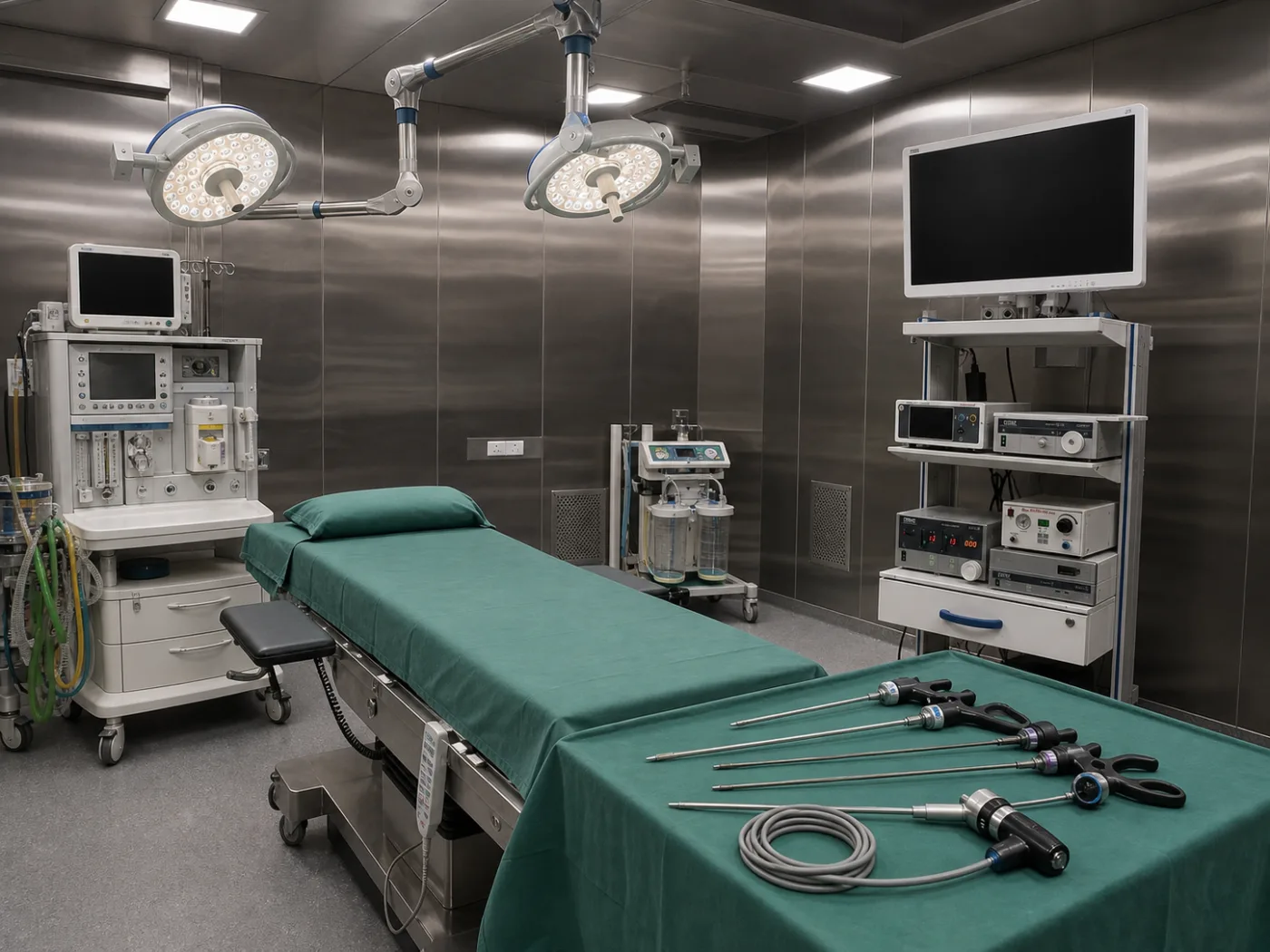
Video-Assisted Thoracoscopic Surgery (VATS)
VATS uses a small camera and fine surgical instruments passed through one or more small incisions between the ribs to visualise and treat conditions inside the chest cavity, avoiding the larger incision and rib-spreading of traditional open thoracotomy. Depending on the condition, it can be used for lung biopsy, treatment of recurrent pneumothorax, and management of selected pleural or chest wall problems.
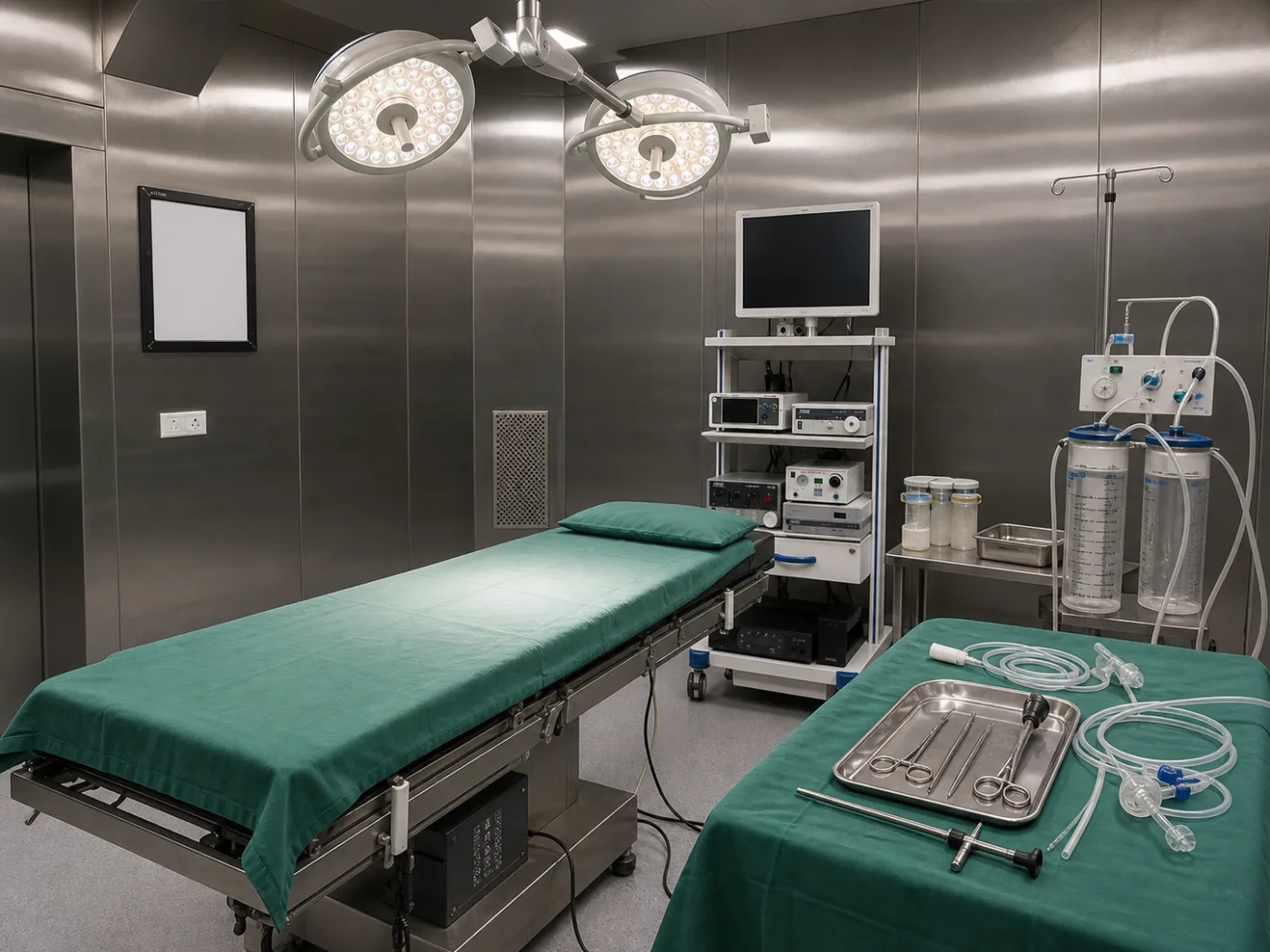
Pleural Effusion & Empyema Management
Thoracoscopy allows direct visualisation and drainage of fluid or infection collecting around the lung (pleural effusion or empyema), along with the ability to take tissue samples for diagnosis when the cause is unclear — including evaluation for suspected malignancy. This combination of diagnosis and treatment in a single, minimally invasive procedure can reduce the need for repeated interventions.
A Coordinated Multidisciplinary Team
Thoracoscopic surgery at Mangala Hospital is delivered through a coordinated team drawn from General Surgery, Pulmonology, Anaesthesia and Critical Care. Each discipline contributes to the same treatment plan: surgical assessment of operability, evaluation of lung function and medical fitness, anaesthesia planning for safe single-lung ventilation where required, and critical-care support for recovery.
Depending on the underlying diagnosis, your case may be led by our general surgery consultants, including Dr. Sriram Bhat M, MBBS, MS (General Surgery), working in coordination with the wider surgical, anaesthesia and critical care panel at Mangala Hospital. Our reception and patient care team can help direct your specific case to the right combination of specialists.
Your Care Journey, Step by Step
Consultation
An assessment with our general surgery and pulmonology team to review your symptoms, imaging and medical fitness.
Imaging & Work-Up
Chest X-ray, CT and lung function tests, as relevant, to plan the safest and most appropriate approach.
Procedure
A thoracoscopic (key-hole) or, where necessary, an open procedure — chosen based on what is safest for your specific condition.
Recovery & Follow-Up
Post-operative monitoring in our ICU or ward as appropriate, with follow-up imaging and a scheduled review.
Frequently Asked Questions
It is a minimally invasive surgical technique that uses a small camera and fine instruments inserted through small incisions between the ribs to diagnose and treat conditions inside the chest, instead of a large open incision.
No. Suitability depends on the specific diagnosis, the patient's overall fitness, and imaging findings. Your surgical and pulmonology team will advise honestly on whether a thoracoscopic or open approach is safer for your case.
This varies with the procedure and diagnosis, but minimally invasive approaches generally involve a shorter hospital stay and faster return to normal activity than equivalent open surgery.
Care is delivered by a multidisciplinary team from General Surgery, Pulmonology, Anaesthesia and Critical Care working together, rather than a single named specialist — our reception team can help direct your case appropriately.
Yes. Thoracoscopy can be used both diagnostically — to take tissue samples or drain fluid for testing — and therapeutically, in the same procedure where appropriate.
Yes, we accept cashless and reimbursement claims from all major mediclaim providers and TPAs. See our Insurance page for the full list, or ask our billing desk to confirm your specific policy.