
Mangala Kidney Foundation
Three decades of pioneering urology, nephrology and dialysis care — built on a genuine record of firsts for Dakshina Kannada and Udupi.
Legacy in Urological Care
Urological care has been part of Mangala Hospital since it first opened, and in 1990 that expertise was formally organised as the Mangala Kidney Foundation — a dedicated programme bringing urology, nephrology and dialysis together under one roof. Led by Dr. Moideen Nafseer Padhoor, MBBS, MS (Surgery), DNB (Urology), FAGE, FMAS, one of the more established urologists in the region, the Foundation has built its reputation on introducing technologies well ahead of most hospitals in the district — several of them years before comparable centres in Karnataka.
The Foundation's history includes the district's first ESWL programme and one of India's earliest Holmium:YAG laser installations. Today, care is centred on current minimally invasive techniques including RIRS, flexible ureteroscopy, laser lithotripsy, Mini-PCNL and PCNL.
Urology, nephrology, dialysis and renal-transplant evaluation work as one coordinated programme, allowing patients to move smoothly between medical management, dialysis and surgery.
Conditions We Treat
Part of a Coordinated Kidney Programme
Urology, Nephrology and the Dialysis Unit work as one team under the Mangala Kidney Foundation, so patients move between medical and surgical kidney care without a handover gap.
Explore Urology →Related Specialities
Need Urgent Care?
Our Casualty & Emergency department is open 24x7, with mobile ICU ambulance backup.
Call: 0824 244 3088Our Milestones
A documented record of firsts, built up over more than three decades of focused urological care.
The Mangala Kidney Foundation is established, bringing urology, nephrology and dialysis care together under one dedicated programme for the first time.
Extra-Corporeal Shock Wave Lithotripsy (ESWL) is introduced using a Medi-Lith Electro-Hydraulic Lithotripter — the first hospital in the district to offer this painless, outpatient stone-fragmentation procedure.
Laparoscopic urological procedures begin at the Foundation, extending minimally invasive technique beyond stone disease to a wider range of urological surgery.
A 10W Holmium:YAG Laser (Karl Storz Calculase) is installed for laser lithotripsy — the 1st centre in Dakshina Kannada and Udupi, and the 3rd unit in India, to offer this technology.
The Foundation becomes the first private (non-medical-college) hospital in Mangalore to obtain permission for Renal Transplantation under the Transplantation of Human Organs Act — the fourth hospital in the city overall to be so authorised.
RIRS, flexible ureteroscopy, Holmium laser, Mini-PCNL and PCNL form the current minimally invasive kidney-stone programme, supported by nephrology and round-the-clock dialysis.
Three Decades of Documented Firsts
3rd in India for Laser Lithotripsy
Among the earliest centres in the country — and the first in Dakshina Kannada and Udupi — to install Holmium:YAG laser stone-fragmentation technology.
District's First ESWL Unit
Introduced in 1999, our shockwave lithotripsy programme was the first painless, outpatient stone-treatment option available in the district.
Historical Renal Transplant Recognition
Hospital records document renal-transplant permission under the Transplantation of Human Organs Act during 2005–06.
Current Minimally Invasive Stone Care
RIRS, flexible ureteroscopy, Holmium laser, Mini-PCNL and PCNL allow treatment to be matched to each stone.
Round-the-Clock Dialysis
Computerised haemodialysis units, including dedicated capacity for Hepatitis-C-positive patients, operating on a 24-hour basis.
Subsidised Dialysis Programme
A dedicated affordability initiative that brings routine haemodialysis within reach of patients facing financial hardship.
Care Built on Three Decades of Firsts
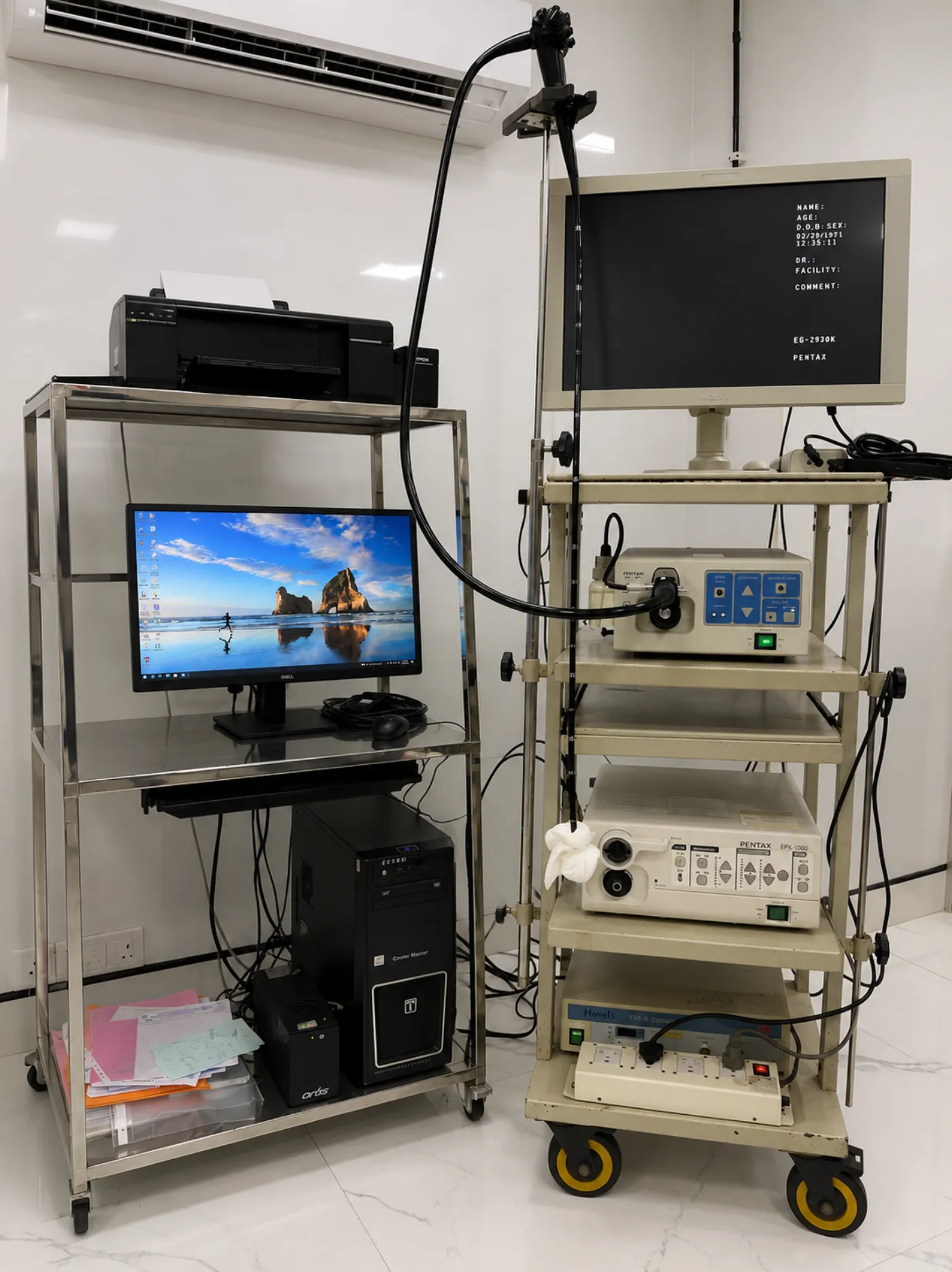
RIRS & Flexible Ureteroscopy
Retrograde Intrarenal Surgery (RIRS) reaches kidney stones through the body's natural urinary passage, without an external incision. A flexible ureteroscope provides access to the renal pelvis and difficult calyces, while Holmium:YAG laser energy fragments stones precisely for removal.
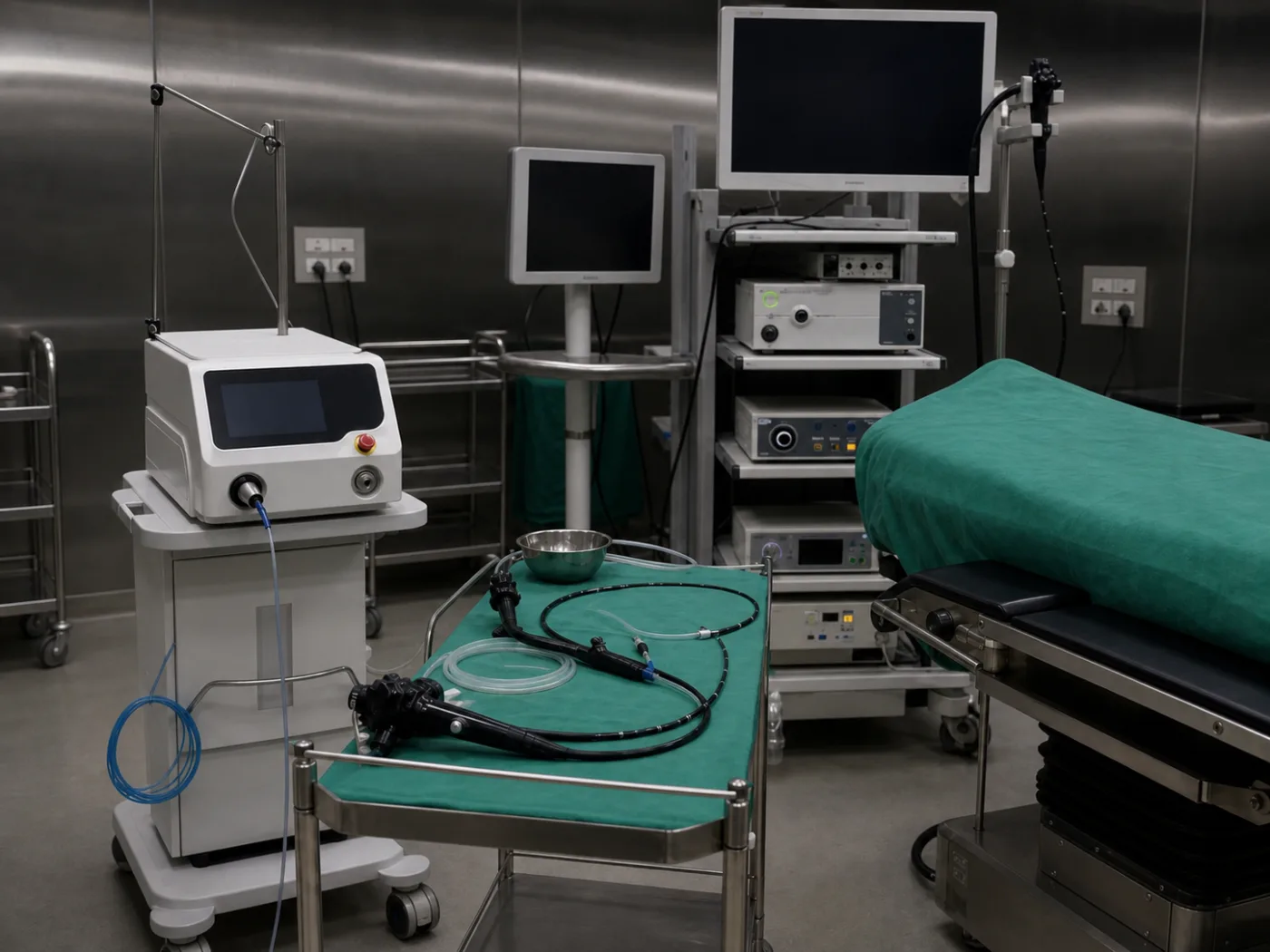
Holmium:YAG Laser Lithotripsy
Our 10W Holmium:YAG laser (Karl Storz Calculase) fragments stones through a photo-thermal mechanism effective against every stone type, with minimal injury to surrounding tissue. Delivered through flexible ureteroscopy using a 2.5 Fr Storz flexible ureteroscope, it gives atraumatic access to the ureter, renal pelvis and calyces — including the mid and lower calyx, historically difficult to reach — for a faster, safer route to stone clearance than shockwave therapy alone.
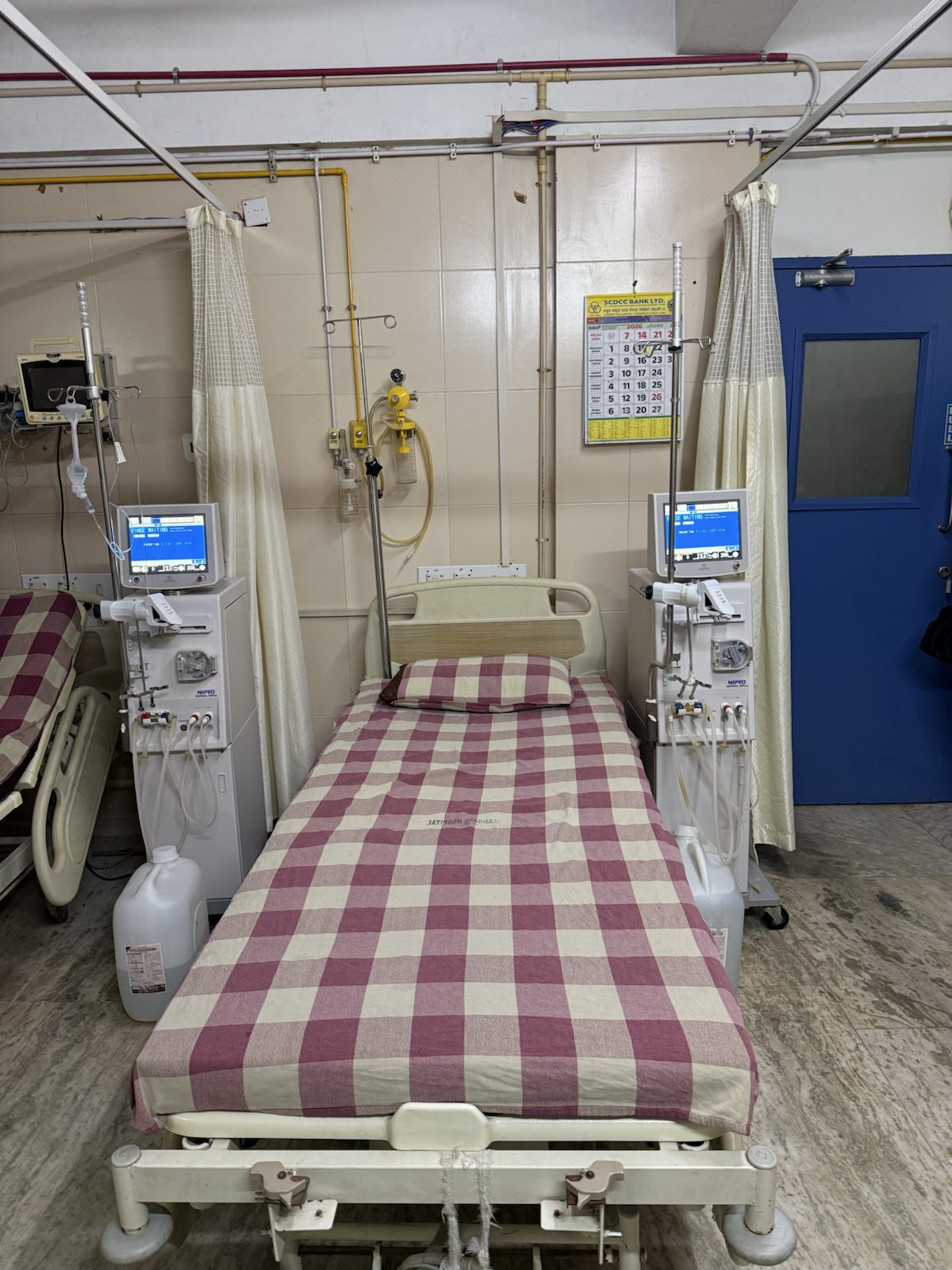
Complete Renal Replacement Care
For larger or complex stones, Mini-PCNL and PCNL provide image-guided removal through a small access tract. Patients with advanced kidney disease are supported through round-the-clock computerised dialysis, dedicated Hepatitis-C capacity and renal-transplant evaluation within the same coordinated programme.
Kidney Care Videos
Explore helpful videos about kidney health, treatment options, procedures and patient care.
Meet the Specialist Leading This Centre
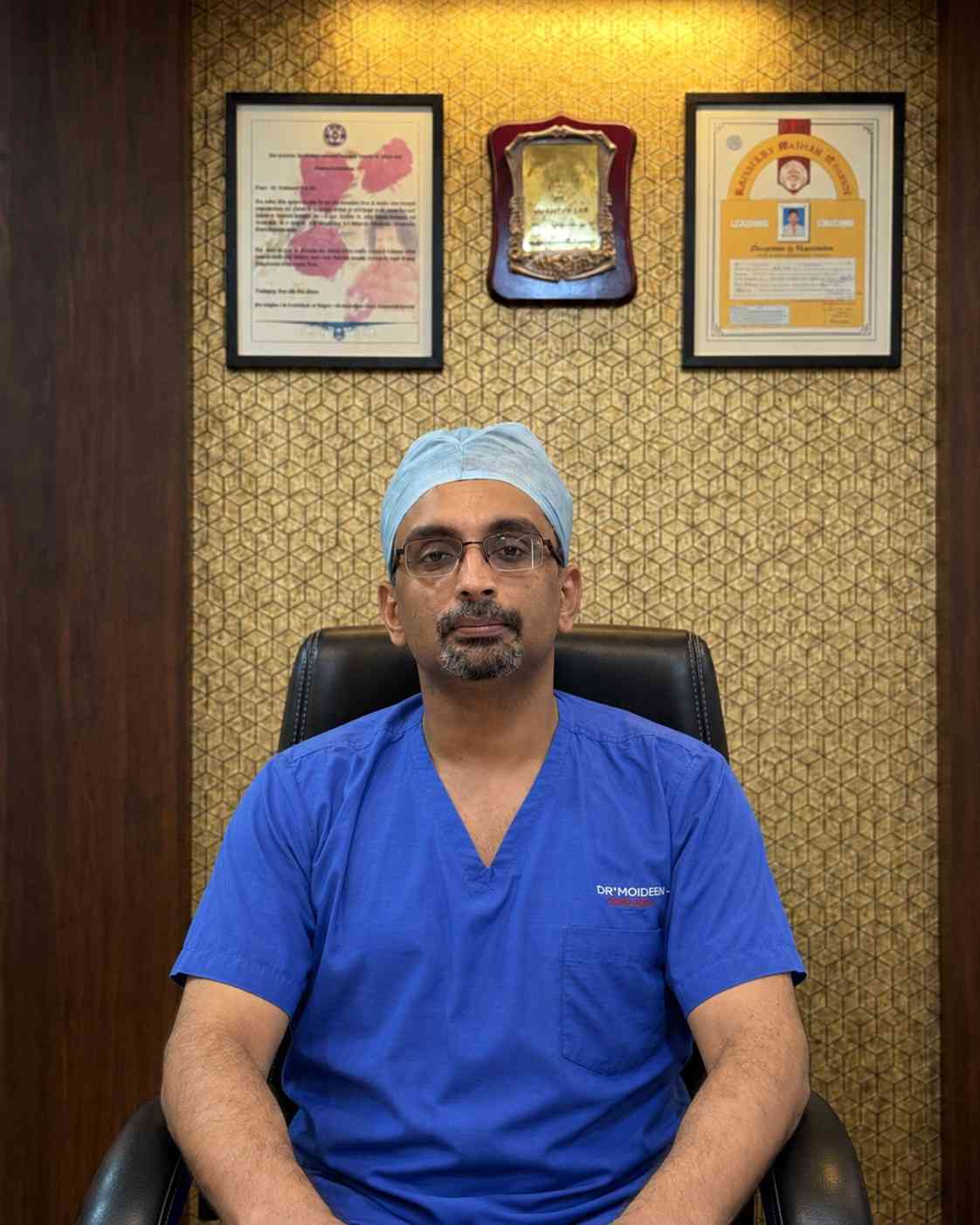
Dr. Moideen Nafseer Padhoor
Leads urological and laparoscopic surgical care at the Foundation, with a focus on minimally invasive kidney-stone treatment and coordinated renal-care planning.
Dr. Moideen Nafseer Padhoor works alongside our Nephrology and Dialysis Unit consultants, and the wider anaesthesia and critical care panel, so patients move through consultation, dialysis and surgery as one coordinated team.
Your Care Journey, Step by Step
Consultation
An initial assessment with our urology or nephrology team to understand your symptoms, history and kidney function.
Imaging & Diagnosis
Ultrasound, X-ray, CT or blood tests map the exact size, number and location of stones, or assess kidney function in detail.
Treatment
The right pathway is chosen for your case — RIRS with laser, Mini-PCNL, PCNL, haemodialysis or transplant evaluation.
Recovery & Follow-Up
Most stone procedures involve a short hospital stay; dialysis and transplant patients receive ongoing, coordinated follow-up care.
Facilities Supporting This Centre
Frequently Asked Questions
The Foundation brings urology, nephrology and dialysis together under one dedicated programme since 1990, with a documented history of introducing technology ahead of most hospitals in the district — including the district's first ESWL unit and one of the earliest Holmium laser units in India.
Rarely. Most stones can be treated with RIRS and laser lithotripsy, Mini-PCNL or PCNL — all far less invasive than open surgery, with smaller or no incisions and quicker recovery.
Urology, Nephrology and Dialysis teams evaluate advanced kidney disease together. Hospital records document transplant permission obtained during 2005–06; please contact the Foundation for the current evaluation, referral and transplant pathway.
It is an affordability initiative that makes routine haemodialysis available at a significantly reduced cost for patients facing financial hardship, supported by round-the-clock computerised dialysis units.
RIRS, laser lithotripsy, Mini-PCNL and PCNL usually involve a short stay determined by stone complexity, the chosen procedure and individual recovery.
Yes, we accept cashless and reimbursement claims from all major mediclaim providers and TPAs. See our Insurance page for the full list, or ask our billing desk to confirm your specific policy.