
Physiotherapy
24-hour rehabilitation support for recovery after surgery or injury.
Physiotherapy at Mangala Hospital
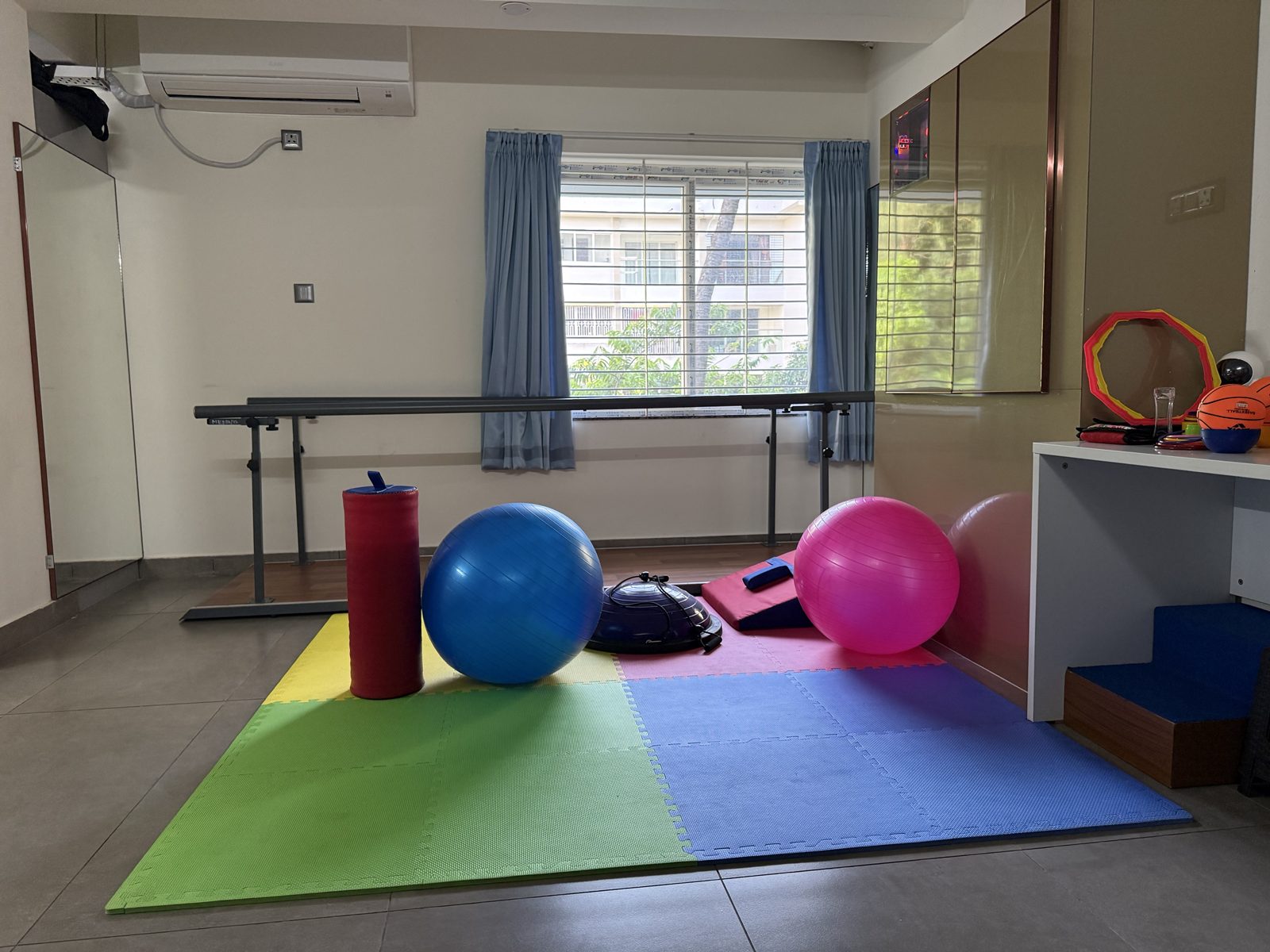
Mangala Hospital's Physiotherapy department has operated as a 24-hour service since the hospital's early years, on the principle that recovery does not stop at the end of the working day. It supports patients across almost every surgical and medical department — helping someone regain movement after a joint replacement, walk again after a fracture, breathe more easily after chest surgery, or rebuild strength after a prolonged illness. The department also has an academic backbone through the Mangala College of Physiotherapy (BPT), one of the hospital's sister educational institutions, which keeps its practice connected to current training standards.
Treatment combines hands-on rehabilitation with advanced NEYMA therapy, ultrasound, short-wave diathermy, wax therapy, interferential and infrared therapy. Each programme is selected around the patient's diagnosis, recovery stage and tolerance.
Because so much of physiotherapy follows directly from another department's treatment, the team works closely with Orthopaedics on fracture and joint-replacement rehabilitation, with Neurosurgery on stroke and spinal recovery, and with General Surgery and Cardiology on post-operative mobilisation — each patient's physiotherapy plan is set in coordination with their treating consultant, not in isolation.
What We Manage
See the Infrastructure
Take a look inside our physiotherapy department on the Facilities page.
View Physiotherapy Department →Related Specialities
Need Urgent Care?
Our Casualty & Emergency department is open 24x7, with mobile ICU ambulance backup.
Call: 0824 244 3088Rehabilitation That Runs Around the Clock
24-Hour Availability
Physiotherapy support is available around the clock, so rehabilitation is never delayed by the time of day.
Full Range of Electrotherapy Modalities
Ultrasound, wax therapy, short-wave diathermy, interferential and infrared therapy are all available on site.
Works Alongside Every Surgical Department
From Orthopaedics to Cardiology, physiotherapy plans are set in coordination with the treating consultant.
Backed by an Academic Institution
Connected to the Mangala College of Physiotherapy (BPT), keeping practice aligned with current training standards.
Individualised Rehabilitation Plans
Treatment is tailored to diagnosis, recovery stage and tolerance — not a fixed programme applied to everyone.
Affordable, Insurance-Accepted Care
Physiotherapy is billed transparently and accepted under all major mediclaim and TPA arrangements.
How We Support Recovery
NEYMA Superinductive Therapy
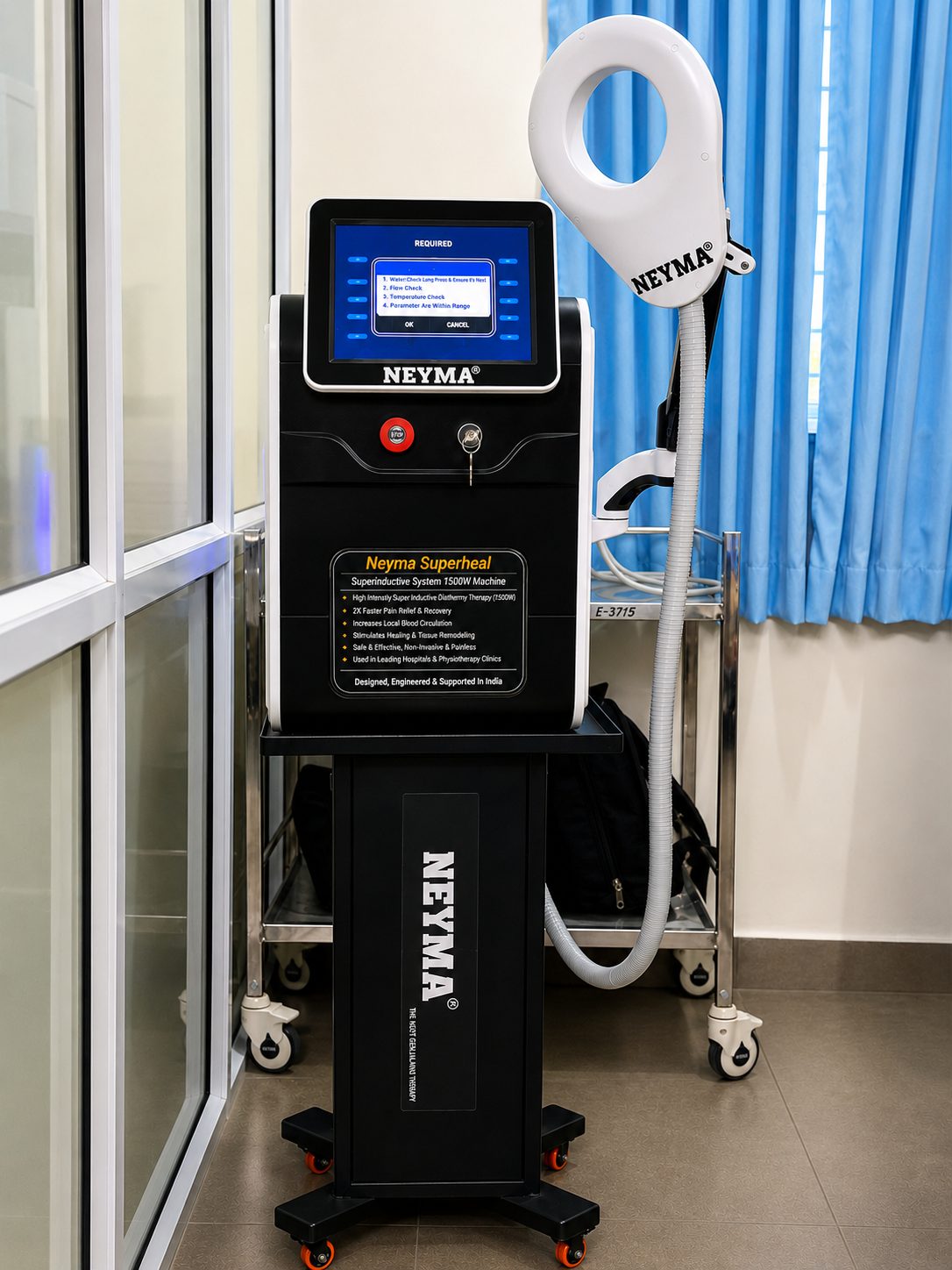
The NEYMA Superheal system delivers high-intensity electromagnetic stimulation without direct skin contact. Following a physiotherapy assessment, it may be incorporated into selected programmes for musculoskeletal pain, muscle activation, joint mobility and recovery. Treatment settings and session duration are adjusted to the condition, comfort and rehabilitation goals of each patient.
RoboSpine-100 Spinal Decompression
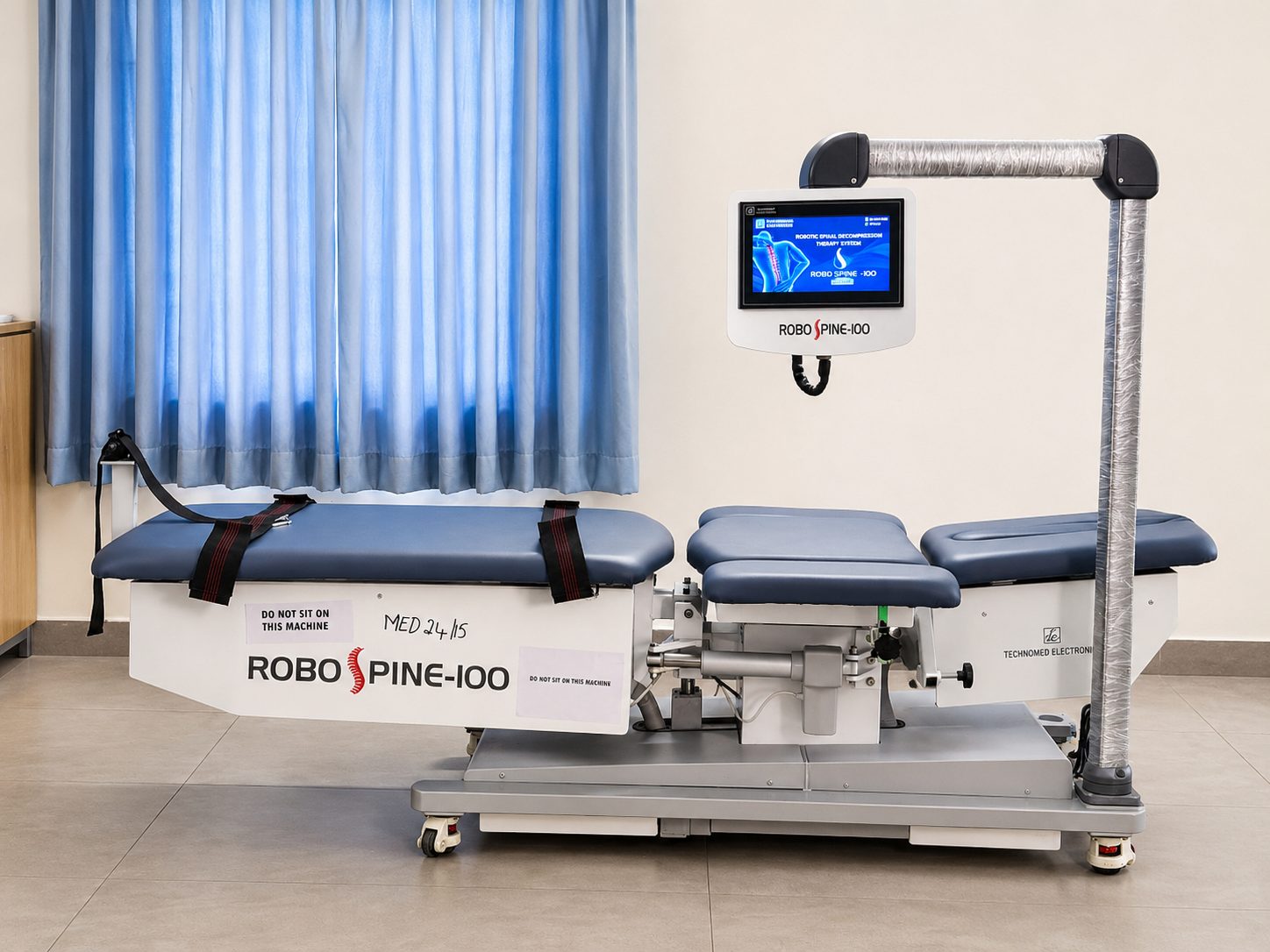
The RoboSpine-100 provides controlled, computer-guided spinal decompression for carefully selected neck and lower-back conditions. The physiotherapy team plans the position and traction parameters after clinical assessment, then monitors comfort and response throughout the session. Where appropriate, decompression is combined with mobility, strengthening and posture training rather than used as a standalone treatment.
Joint & Soft-Tissue Mobilisation
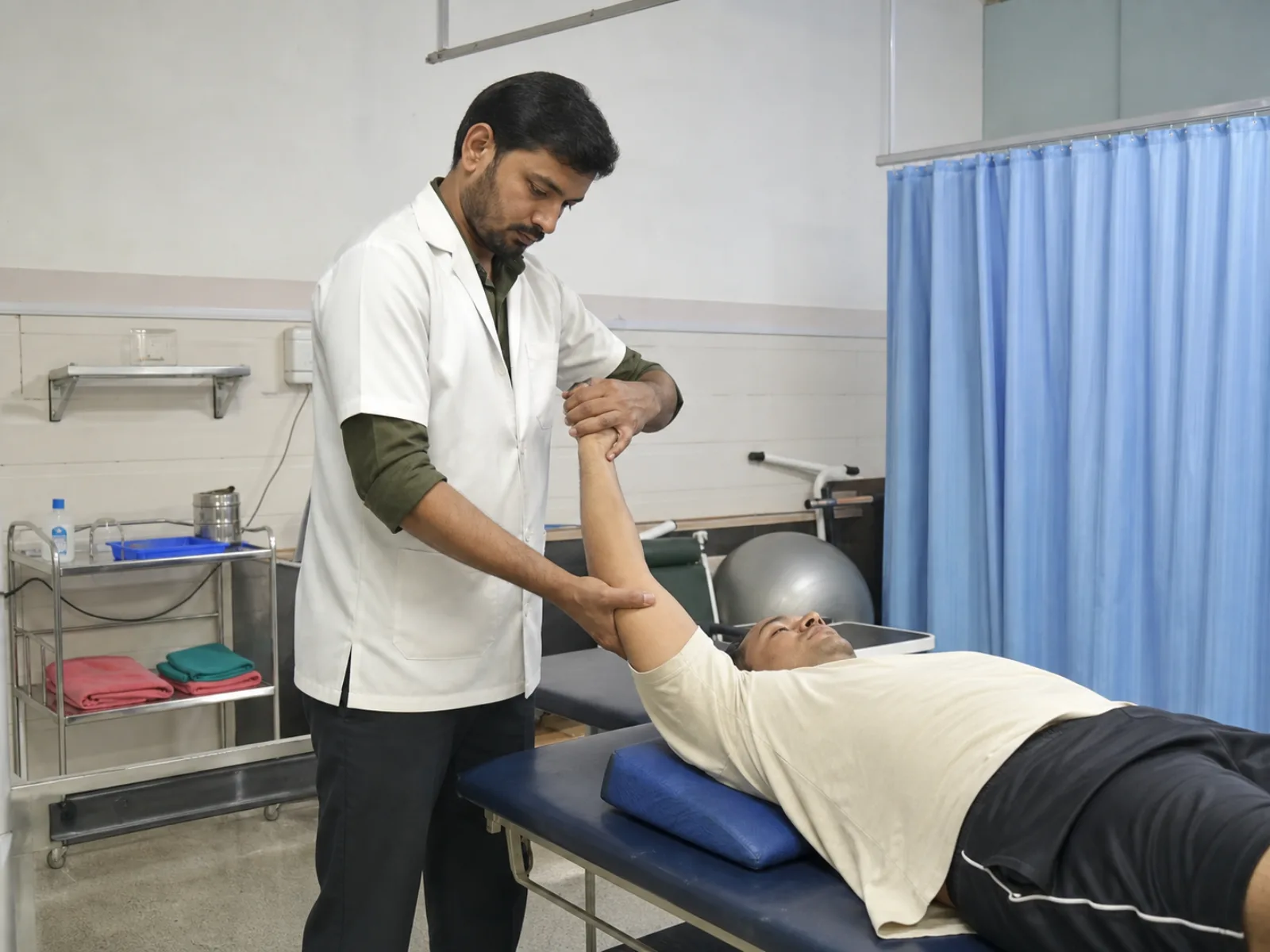
Manual mobilisation uses carefully controlled, hands-on techniques to improve movement in stiff or restricted joints and surrounding soft tissue. The physiotherapist selects the direction, range and intensity after assessing where movement is limited, then combines treatment with suitable exercises to help maintain the improvement.
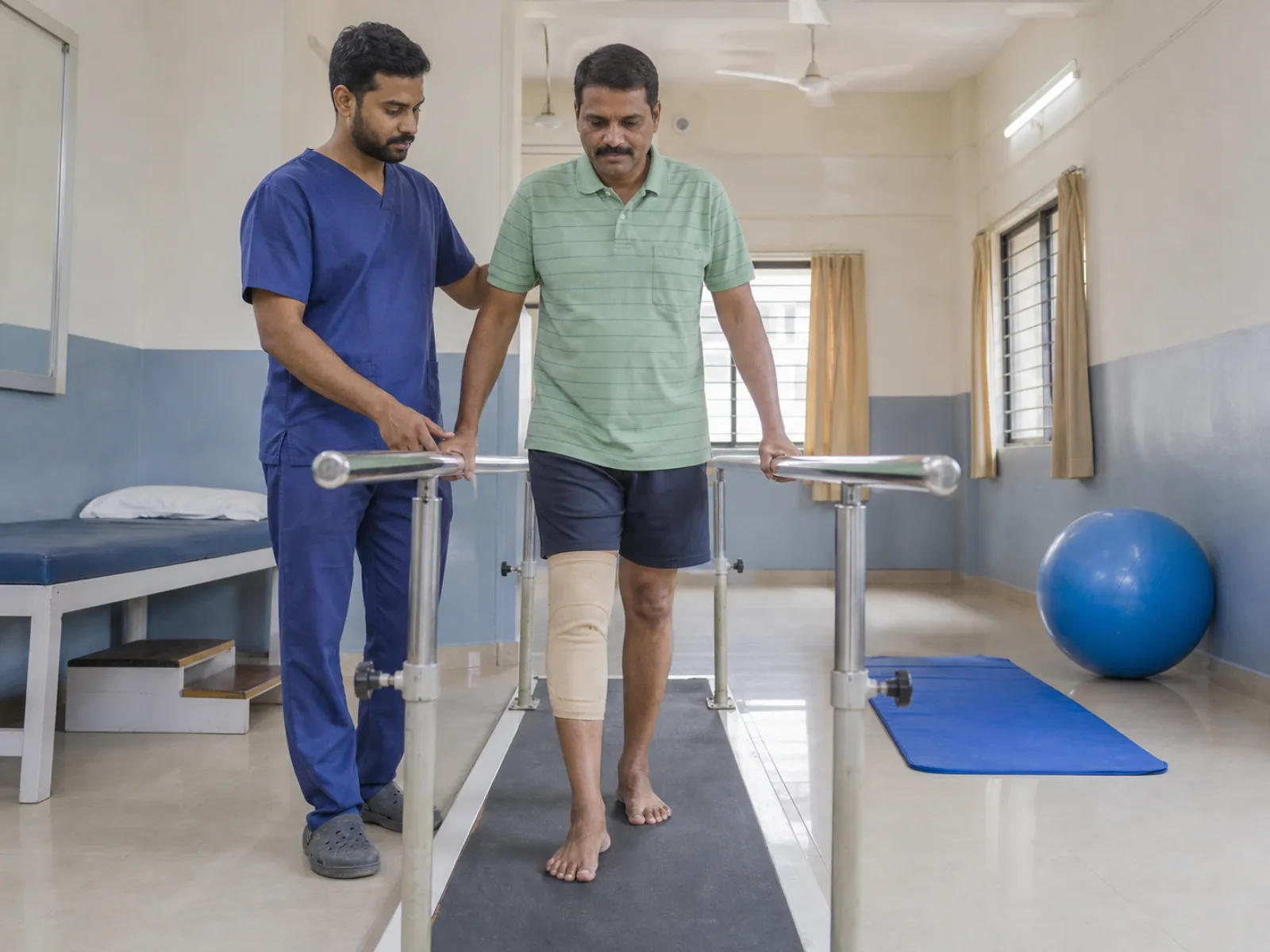
Post-Surgical & Sports Injury Rehab
Structured, progressive exercise programmes rebuild strength, balance, walking confidence and range of motion after surgery, fracture or sporting injury. Each programme is reviewed regularly and adjusted as recovery progresses, with supervised mobility practice helping patients work safely towards normal daily activity or a return to sport.
Your Rehabilitation Journey
Referral & Assessment
Your treating consultant refers you, and a physiotherapist assesses movement, strength and pain levels.
Personalised Treatment Plan
A plan combining manual therapy and electrotherapy modalities is set based on your diagnosis and recovery stage.
Hands-On & Electrotherapy Sessions
Sessions combine mobilisation, exercise and modalities such as ultrasound, wax or interferential therapy.
Progress Review & Home Plan
Progress is reviewed regularly, with a home exercise plan to maintain gains between sessions.
Facilities Supporting This Department
Frequently Asked Questions
Most physiotherapy patients are referred by their treating consultant as part of post-surgical or post-injury care, since the rehabilitation plan is coordinated with that department. You can also ask any Mangala Hospital doctor whether a physiotherapy referral would help your condition.
Yes, the department has operated as a 24-hour service, so inpatients needing rehabilitation support are not limited to daytime hours, particularly important in the early days after major surgery.
This depends entirely on your condition, its severity and how you respond to treatment — some patients need a short course after a minor injury, while post-surgical or neurological rehabilitation can take weeks to months. Your therapist will set expectations after the first assessment.
Most treatment is not painful, though mobilising a stiff joint or working a weak muscle can cause temporary mild discomfort. Your therapist adjusts intensity to what you can tolerate — persistent sharp pain should always be reported immediately.
Recovery after fractures, joint replacements, stroke and spinal surgery benefits significantly, as does chronic back and neck pain, frozen shoulder, sports injuries and general deconditioning after a prolonged illness or hospital stay.
Yes, physiotherapy is billed transparently and accepted under all major mediclaim and TPA arrangements. See our Insurance page for the full list, or ask our billing desk to confirm your specific policy.